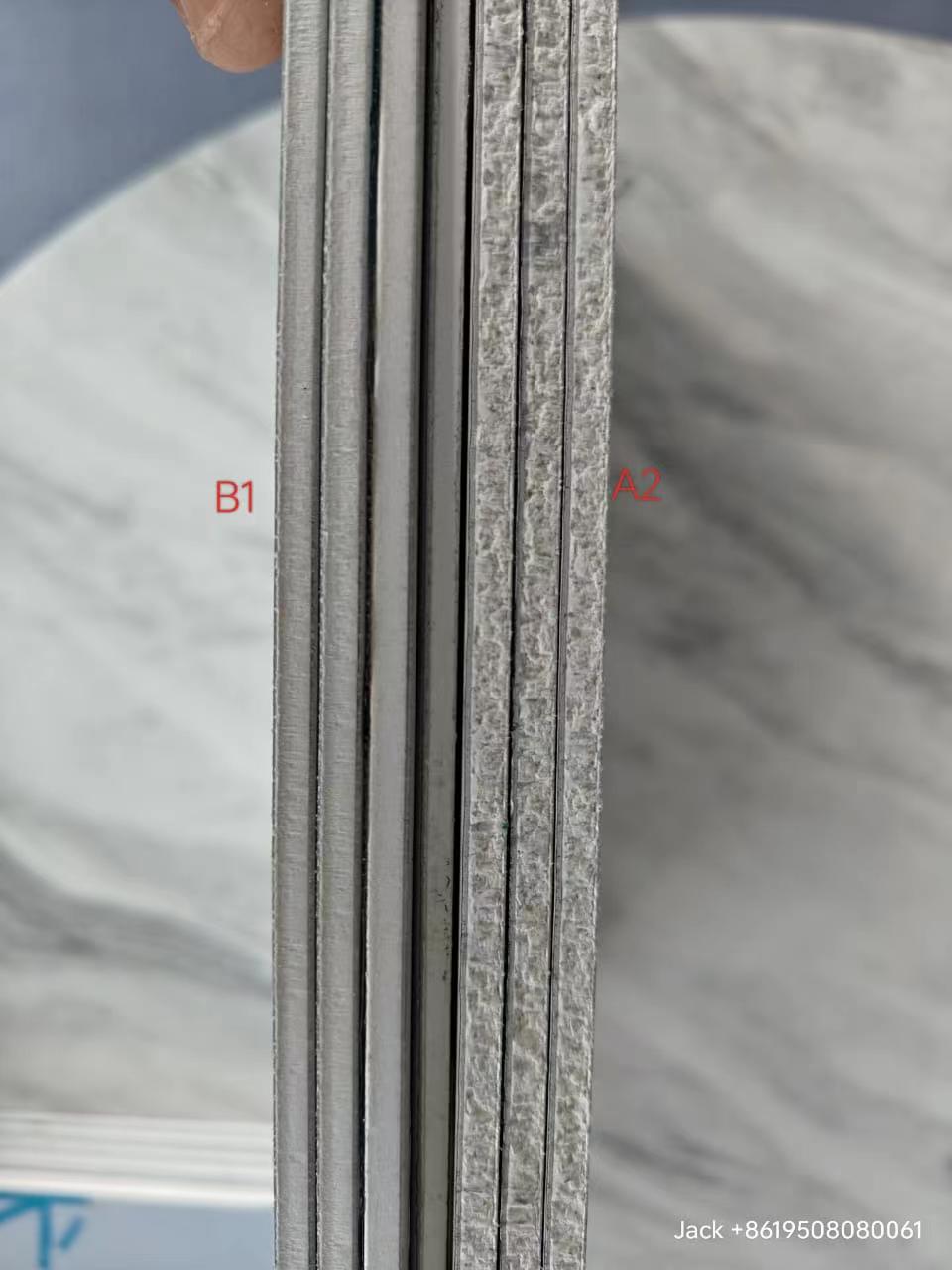

This is a crucial question for architects, builders, and property owners balancing aesthetics with budget. At Yuntai, we understand that cost is more than just a price tag—it's about value, durability, and achieving the desired look without unexpected expenses. As a leading manufacturer, we often guide clients through this exact decision. While Plain Color Aluminum Composite Panels are often viewed as the standard, economical choice, wood grain finishes offer a premium, natural aesthetic. But how much more does that visual appeal cost, and what factors drive that price difference? Let’s break it down from an insider’s perspective.
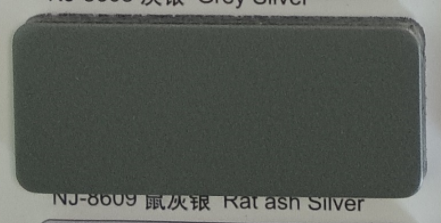
The core cost difference stems from the manufacturing process. A Plain Color Aluminum Composite Panel starts with a pre-painted aluminum coil coated with a uniform layer of PVDF or PE paint. This process is highly efficient and streamlined. In contrast, creating a realistic wood grain effect involves additional, sophisticated steps. The wood grain pattern must be printed onto a film or directly onto the coating using advanced rotary printing or laminating technologies. This requires precise craftsmanship to replicate the unique veins and textures of wood, adding layers of labor, time, and material complexity.
Beyond production, the perceived value and performance specifications play a huge role. Let's look at the key parameters that influence cost.
Key Product Parameters at Yuntai:
Coating Type: PVDF coatings are standard for both, but wood grain often uses additional protective layers.
Printing Technology: High-definition digital printing for wood grain adds cost.
Substrate Quality: The purity and grade of the aluminum core and polyethylene mix.
Finish Durability: Resistance to fading, scratching, and weather differs.
Fire Rating: Core material (like FR grade) is a primary cost driver, independent of finish.
To visualize how these factors stack up, let’s compare typical base-level specifications.
Table 1: Base Specification Comparison - Yuntai Standard Series
| Feature | Plain Color Aluminum Composite Panel | Wood Grain Aluminum Composite Panel |
|---|---|---|
| Standard Coating | PVDF Paint, Uniform Finish | PVDF Paint with Printed Wood Film Lamination |
| Production Process | Direct Roller Coating | Printing + Lamination/Advanced Coating |
| Color/Pattern Options | Solid Colors (RAL, Custom) | Numerous Wood Types (Oak, Walnut, Teak) |
| Standard Thickness | 3mm, 4mm | 3mm, 4mm |
| Minimum Order Quantity | Generally Lower | Often Higher Due to Pattern Specifics |
Not entirely. While the finish is the most obvious differentiator, the cost gap is also influenced by market demand, project scale, and logistical factors. Plain Color Aluminum Composite Panels are high-volume products with vast inventory flexibility. Their simplicity allows for mass production and faster turnaround times. Wood grain panels, especially custom or rare wood types, are often produced in smaller, specific batches. This impacts economies of scale.
Furthermore, consider the long-term value. A premium wood grain finish from Yuntai is engineered for superior UV resistance to prevent fading, maintaining its elegant look for years. This can reduce long-term maintenance costs. A Plain Color Aluminum Composite Panel is also durable, but its value is often in its clean, modern versatility and lower initial investment. The "cost" therefore extends beyond installation day to the lifecycle of the cladding.
Providing a single percentage is tricky, as it varies by region, supplier, and specification. However, based on our Yuntai pricing structure and market trends, you can expect a general range. Typically, wood grain aluminum composite panels carry a 15% to 40% premium over standard plain color panels. The lower end of this range applies to high-volume orders of standard wood patterns (like classic oak). The premium can reach 40% or more for custom, intricate wood designs, special textures, or projects with low square footage.
Table 2: Cost Influence Factors & Breakdown
| Cost Factor | Impact on Plain Color ACP | Impact on Wood Grain ACP |
|---|---|---|
| Material & Production | Lower (streamlined process) | Higher (printing, lamination, licensing) |
| Volume Discount | Significant (bulk raw materials) | Moderate (pattern-specific batches) |
| Customization | Low cost for color match | High cost for pattern creation/alteration |
| Shipping & Handling | Standard | May require special care to prevent surface abrasion |
| Installation | Standard | Can be similar, but may require careful pattern matching labor |
This table shows why a Plain Color Aluminum Composite Panel is frequently the go-to for large-scale commercial projects where cost-efficiency is paramount. Conversely, wood grain is chosen for premium retail spaces, hospitality venues, and residential projects where aesthetics drive value.
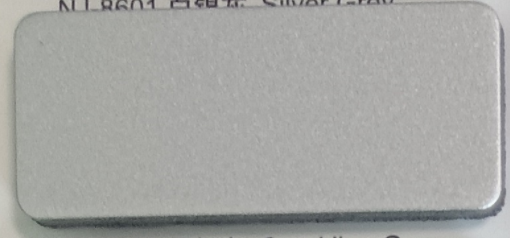
Given their widespread use, we at Yuntai receive many questions about plain color panels. Here are three of the most common FAQs.
FAQ 1: Are plain color ACPs prone to fading over time?
A high-quality Plain Color Aluminum Composite Panel from a reputable manufacturer like Yuntai uses PVDF (Polyvinylidene Fluoride) coatings, which offer exceptional resistance to UV radiation and chemical erosion. While all colors can experience some degree of fade over decades, premium PVDF coatings are designed to retain color consistency and gloss for over 20 years, with minimal chalking or color shift, making them a reliable long-term choice.
FAQ 2: Can plain color panels be used for interior applications?
Absolutely. While renowned for facades, Plain Color Aluminum Composite Panels are extremely versatile indoors. They are used for column covers, wall cladding, signage backdrops, and shop fittings. For interiors, you can often opt for different core specifications (like standard PE core) and a range of finishes beyond PVDF, including matte or gloss coatings, to suit the design aesthetic and fire safety requirements of the interior space.
FAQ 3: How do I ensure color consistency across different production batches?
This is a critical concern. The key is partnering with a manufacturer with stringent quality control. At Yuntai, we use computerized color matching systems and source coatings from trusted suppliers. We advise clients to order a 10-15% surplus for large projects to cover cuts and future repairs from the same batch. For subsequent orders, we keep detailed digital records of your custom color formula to ensure the closest possible match, though we always recommend ordering a sample for verification against the existing installation.
The decision between a Plain Color Aluminum Composite Panel and a wood grain finish ultimately hinges on your project's personality, budget, and goals. If your project demands a sleek, modern, cost-effective, and timeless look, the Plain Color Aluminum Composite Panel is an unbeatable workhorse. It offers incredible flexibility and proven performance. If your vision requires warmth, natural elegance, and a standout architectural statement, the wood grain finish is worth the investment. It provides the beauty of wood without the maintenance drawbacks.
At Yuntai, we don't just sell panels; we provide material solutions. We empower you with the detailed information—from core specs to cost drivers—to make a confident choice. Our expertise ensures you select a panel that fits both your vision and your financial plan, without compromising on the quality and safety that our brand stands for.
Ready to Get an Accurate Quote for Your Specific Project?
Talking about general costs is helpful, but your project is unique. The most accurate way to understand the true cost difference is to get a tailored quotation. Contact us today with your project details—size, desired finish, performance requirements, and timeline. Our team at Yuntai will provide you with a comprehensive, competitive quote and samples to help you feel and see the quality difference. Let's build something remarkable together.