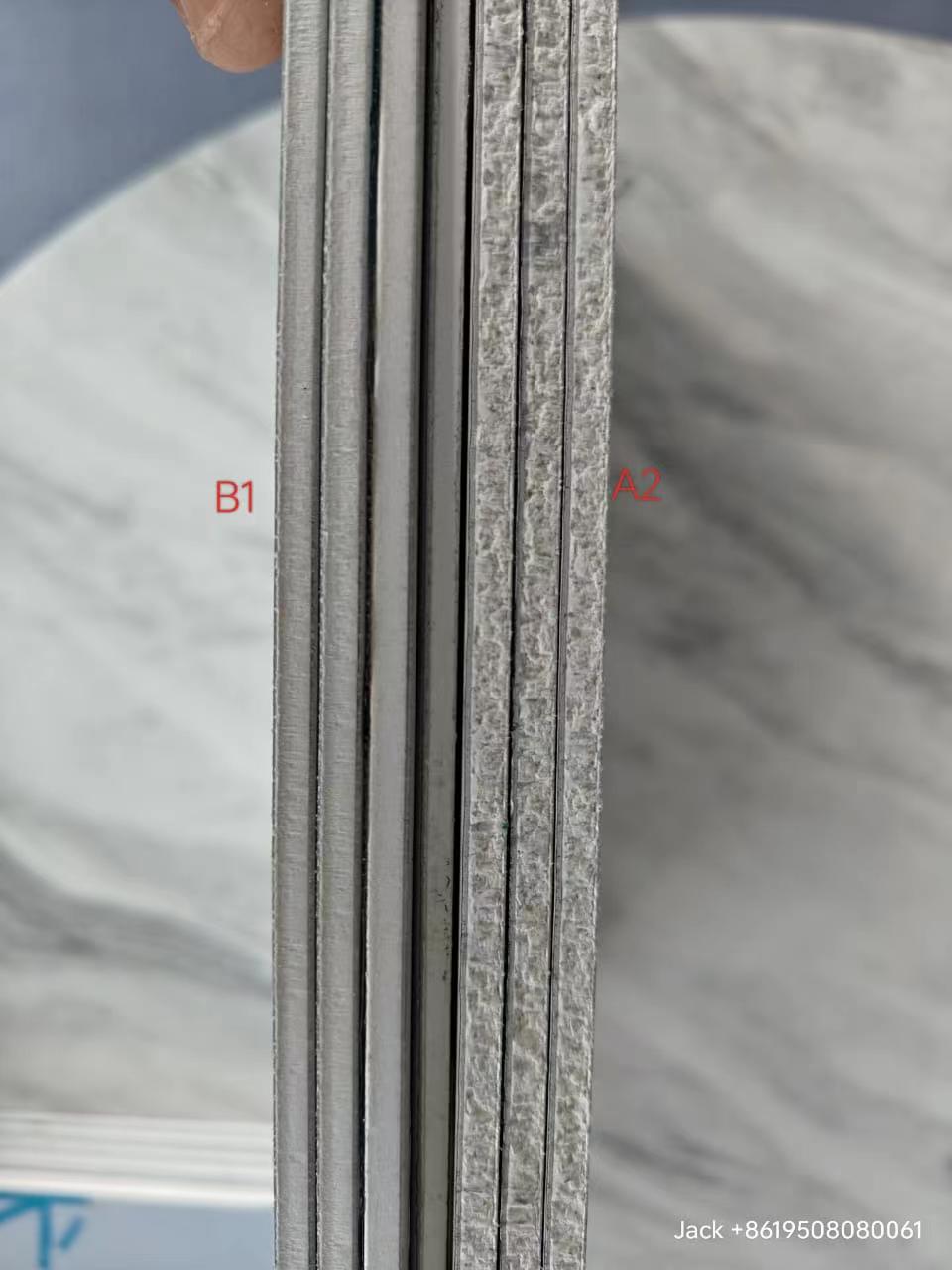

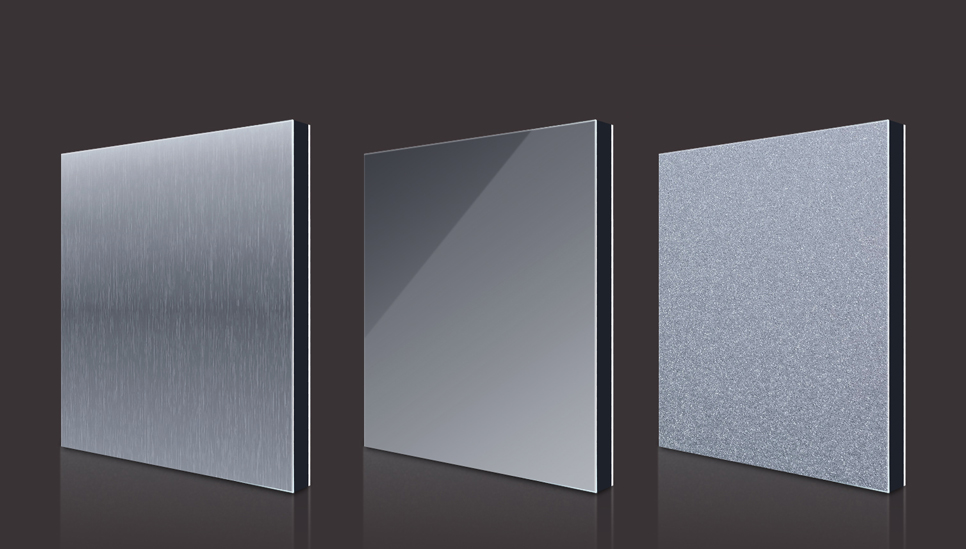
Aluminum Thickness 0.25mm UV Printing Alucobond has become a popular solution for architects, designers, and signage manufacturers who need a lightweight, durable, and highly customizable decorative material. As a professional manufacturer, Yuntai provides high-quality aluminum composite solutions that combine corrosion-resistant aluminum sheets, PE coating technology, and advanced UV printing performance.
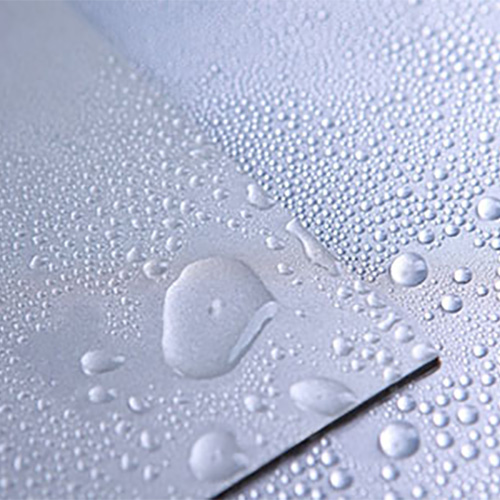
Nano Aluminum Composite Panel has become an advanced solution for modern architectural decoration due to its excellent self-cleaning ability, pollution resistance, and long-term weather durability. Manufactured with innovative nano-PVDF coating technology, this material provides architects, contractors, and building owners with a lightweight yet highly protective facade solution.
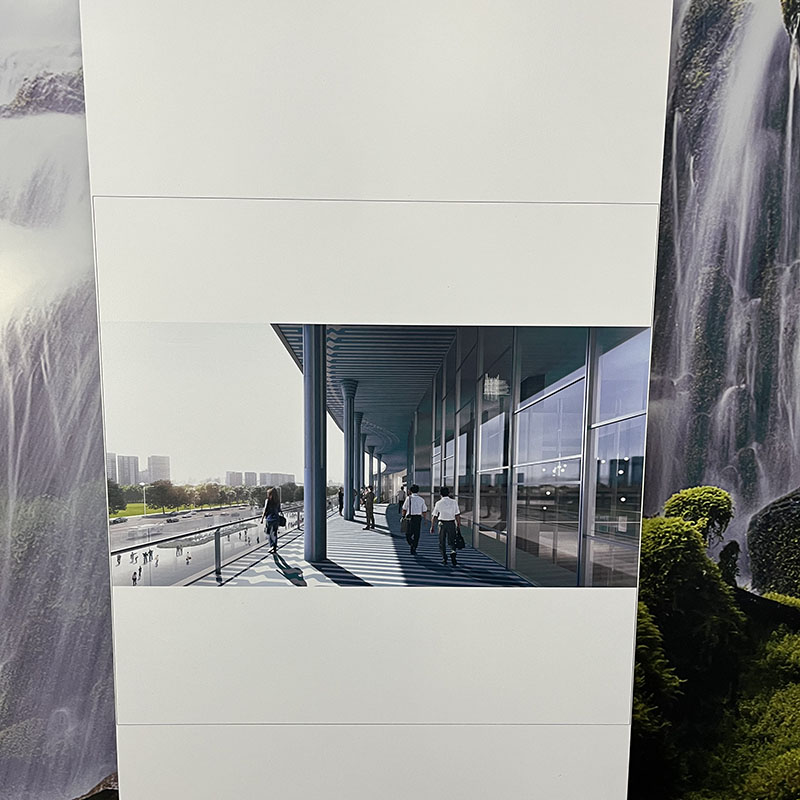
Sign Board Aluminum Composite Panel has become an essential material for outdoor advertising, commercial signage, and architectural decoration due to its excellent durability, lightweight structure, and superior surface performance.
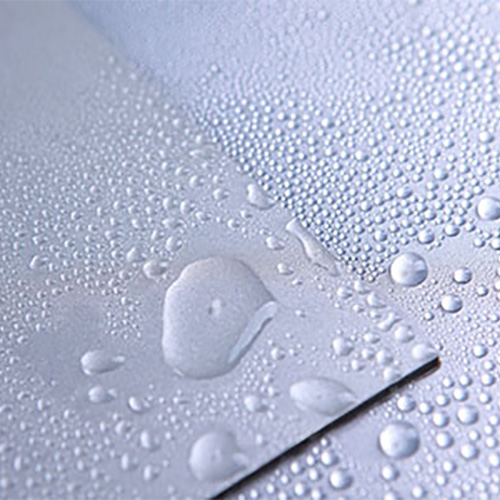
Nano Aluminum Composite Panel has become an advanced solution for architectural decoration and industrial applications, and Yuntai provides high-quality composite panel solutions designed for projects requiring durability, aesthetics, and long-term performance. With nano coating technology, lightweight aluminum layers, and enhanced surface protection, this material offers outstanding resistance against weathering, stains, and corrosion for both indoor and outdoor environments.
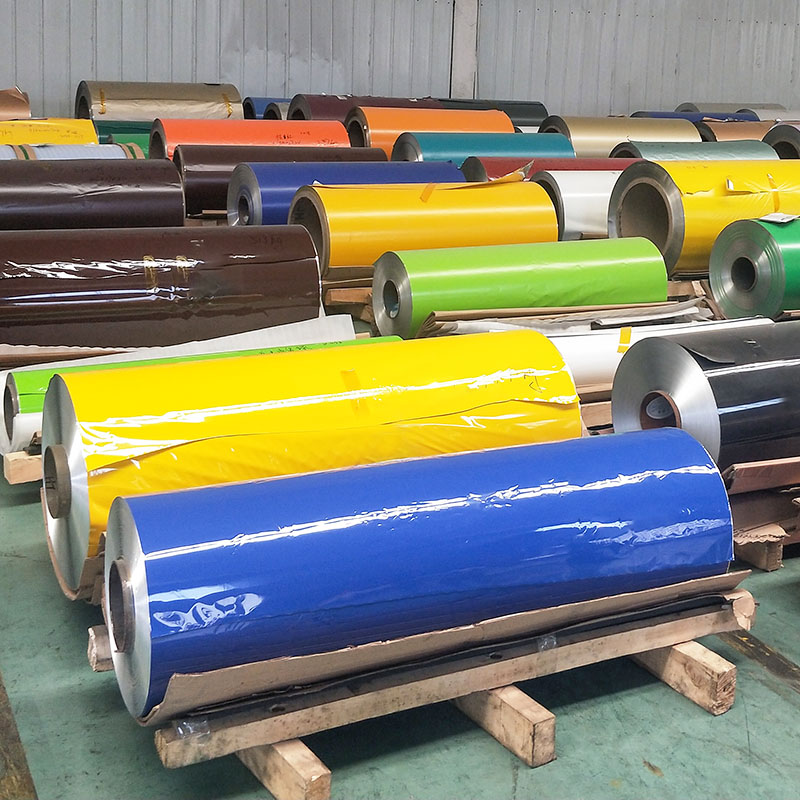
This article explores the performance, structure, advantages, applications, and installation considerations of the PVDF Coating Aluminum Composite Panel. It explains why this material has become a preferred solution in modern architecture and industrial cladding systems, with practical insights for engineers, designers, and procurement managers.
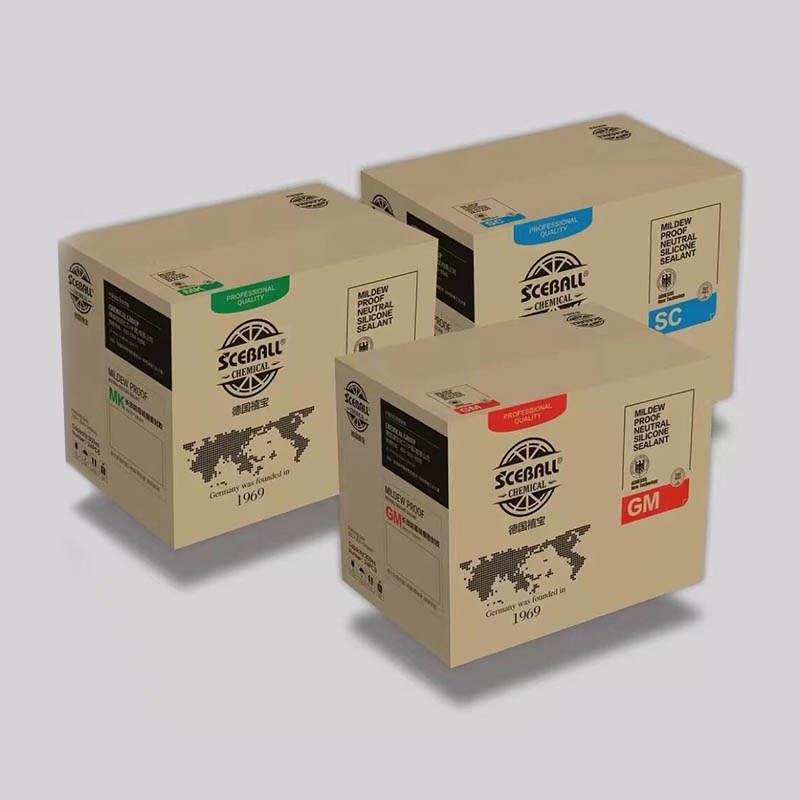
When it comes to reliable bonding solutions for modern architectural projects, Yuntai has become a trusted name in the ACP industry. Choosing the right Silicone Glue For Aluminum Composite Panel is critical for ensuring long-term durability, weather resistance, structural integrity, and aesthetic performance.