
When it comes to reliable bonding solutions for modern architectural projects, Yuntai has become a trusted name in the ACP industry. Choosing the right Silicone Glue For Aluminum Composite Panel is critical for ensuring long-term durability, weather resistance, structural integrity, and aesthetic performance. Whether used in curtain walls, building facades, signage systems, interior decoration, or commercial construction, silicone adhesive plays a vital role in securing aluminum composite panels while accommodating thermal expansion, moisture exposure, and environmental stress.
This article explores everything you need to know about Silicone Glue For Aluminum Composite Panel, including its properties, advantages, applications, installation methods, selection criteria, performance comparisons, and maintenance considerations. You'll also learn why professional builders and architects increasingly prefer silicone-based adhesives for ACP projects and how to choose the best product for your construction requirements.
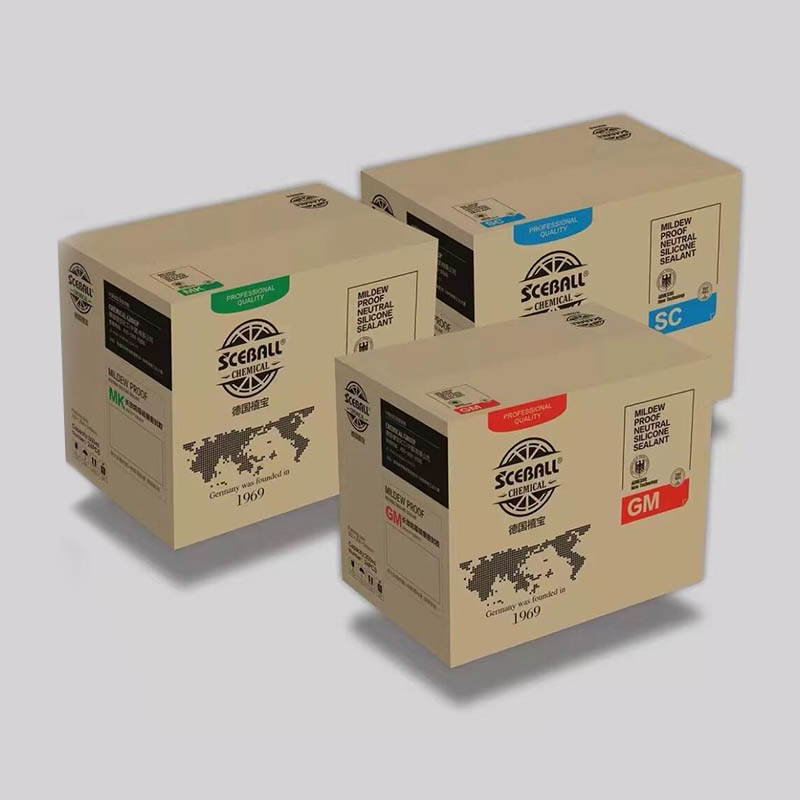
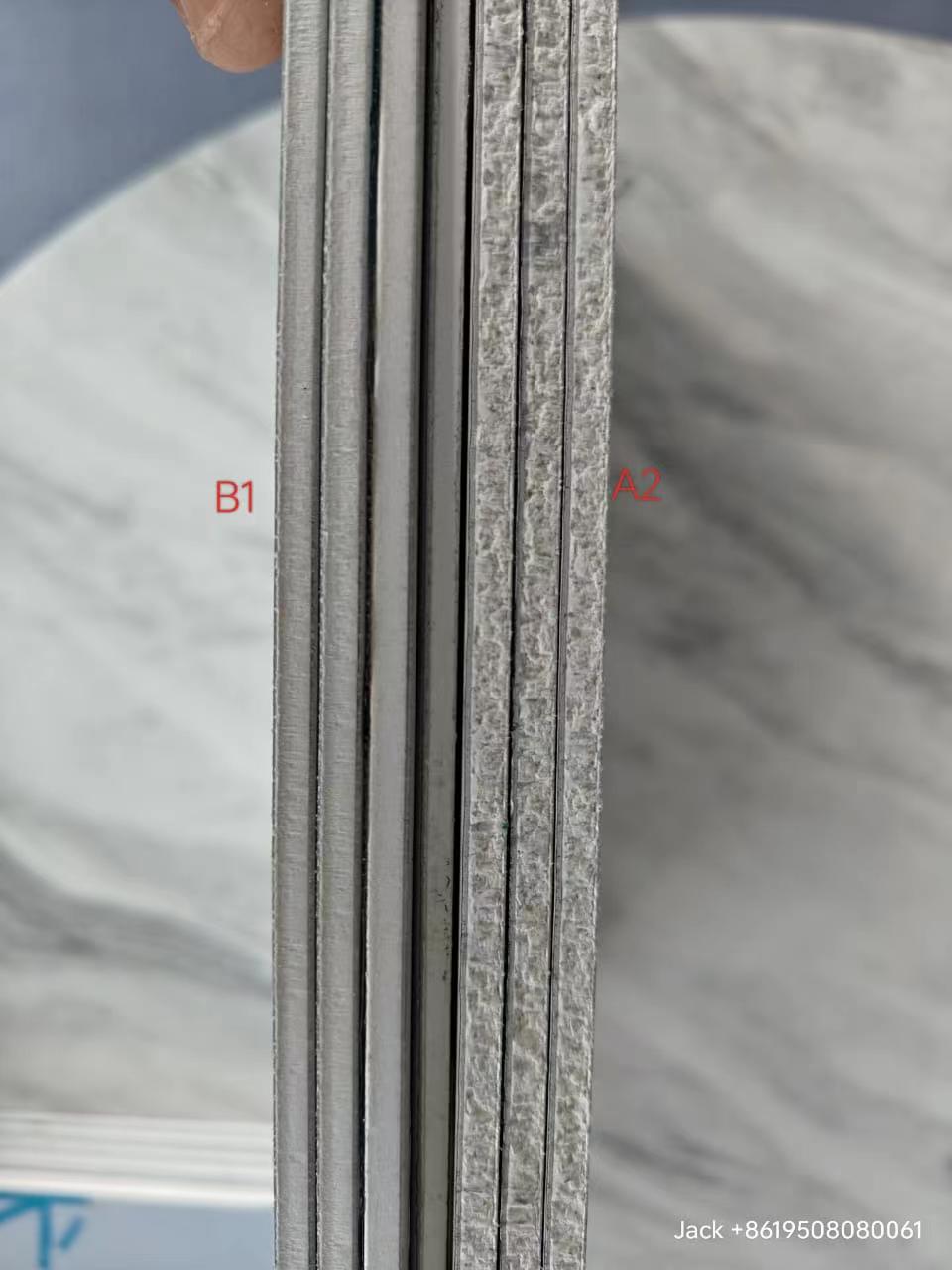
Silicone Glue For Aluminum Composite Panel is a specialized adhesive designed to bond ACP sheets securely to various substrates, including metal frames, concrete surfaces, steel structures, and other building materials. Unlike traditional adhesives, silicone glue maintains flexibility after curing, allowing it to absorb structural movement without cracking or losing adhesion.
Its superior resistance to UV radiation, temperature fluctuations, humidity, and environmental aging makes it particularly suitable for both indoor and outdoor architectural applications.
The performance of an aluminum composite panel system depends not only on panel quality but also on the bonding solution used during installation.
Poor adhesive selection may lead to:
High-quality silicone glue minimizes these risks and enhances overall building safety.
Silicone adhesives withstand harsh environmental conditions including intense sunlight, rain, snow, humidity, and pollution.
They create durable bonds between ACP sheets and multiple construction materials without compromising flexibility.
Unlike many organic adhesives, silicone glue resists UV degradation, maintaining long-term performance and appearance.
Buildings naturally expand and contract due to temperature changes. Silicone adhesives accommodate movement without cracking.
Silicone acts as both an adhesive and sealant, preventing moisture penetration and protecting building structures.
Properly applied silicone glue can maintain performance for decades under demanding environmental conditions.
Silicone Glue For Aluminum Composite Panel is widely used across multiple industries.
| Feature | Silicone Glue | Polyurethane Adhesive | Acrylic Adhesive | Epoxy Adhesive |
|---|---|---|---|---|
| Weather Resistance | Excellent | Good | Moderate | Moderate |
| UV Resistance | Excellent | Fair | Good | Poor |
| Flexibility | Excellent | Good | Moderate | Low |
| Water Resistance | Excellent | Good | Moderate | Good |
| Outdoor Suitability | Excellent | Good | Limited | Limited |
| Service Life | Very Long | Long | Medium | Medium |
When selecting silicone glue for ACP installation, consider the following factors:
Professional-grade products often provide better long-term performance and lower lifecycle costs.
Ensure all surfaces are clean, dry, dust-free, and free from contaminants.
Apply silicone glue uniformly according to manufacturer recommendations.
Allow sufficient curing time before exposing bonded panels to loads or environmental stress.
Install within recommended temperature and humidity ranges for optimal performance.
Conduct regular inspections during installation to verify bond consistency.
| Property | Typical Performance |
|---|---|
| Adhesion Strength | High |
| UV Resistance | Excellent |
| Waterproof Capability | Excellent |
| Temperature Resistance | -40°C to +150°C |
| Elastic Recovery | Excellent |
| Weather Durability | Long-Term |
| Outdoor Suitability | Highly Recommended |
One major advantage of silicone adhesive systems is their minimal maintenance requirements.
With proper installation and maintenance, silicone-bonded ACP systems can provide decades of reliable service.
As construction standards continue evolving, manufacturers are developing more advanced silicone formulations featuring:
These innovations will further strengthen silicone glue's position as the preferred adhesive solution for aluminum composite panel systems.
Yes. Silicone glue is specifically designed to withstand outdoor weather conditions including UV exposure, rain, wind, and temperature fluctuations.
High-quality silicone adhesives can maintain performance for 20 years or more when properly installed and maintained.
Yes. Silicone provides excellent waterproof sealing properties, making it ideal for exterior ACP applications.
Absolutely. Its elasticity allows it to absorb structural movement and thermal expansion without failure.
Because it offers superior weather resistance, UV stability, flexibility, durability, and long-term reliability.
Yes. It is widely used for both interior and exterior aluminum composite panel installations.
Silicone Glue For Aluminum Composite Panel remains one of the most reliable and cost-effective solutions for modern architectural construction. Its unmatched combination of flexibility, weather resistance, waterproof performance, UV stability, and long-term durability makes it the preferred choice for architects, contractors, builders, and project developers worldwide. By selecting the right silicone adhesive and following proper installation practices, ACP systems can achieve exceptional performance, safety, and aesthetic appeal for many years.
Looking for professional ACP bonding solutions and expert technical support? Contact us today to learn how Yuntai can help you select the ideal Silicone Glue For Aluminum Composite Panel for your next project. Our experienced team is ready to provide customized recommendations, product guidance, and reliable solutions to ensure the success of your construction and architectural applications.