
Article Abstract: This article explores the performance, structure, advantages, applications, and installation considerations of the PVDF Coating Aluminum Composite Panel. It explains why this material has become a preferred solution in modern architecture and industrial cladding systems, with practical insights for engineers, designers, and procurement managers.
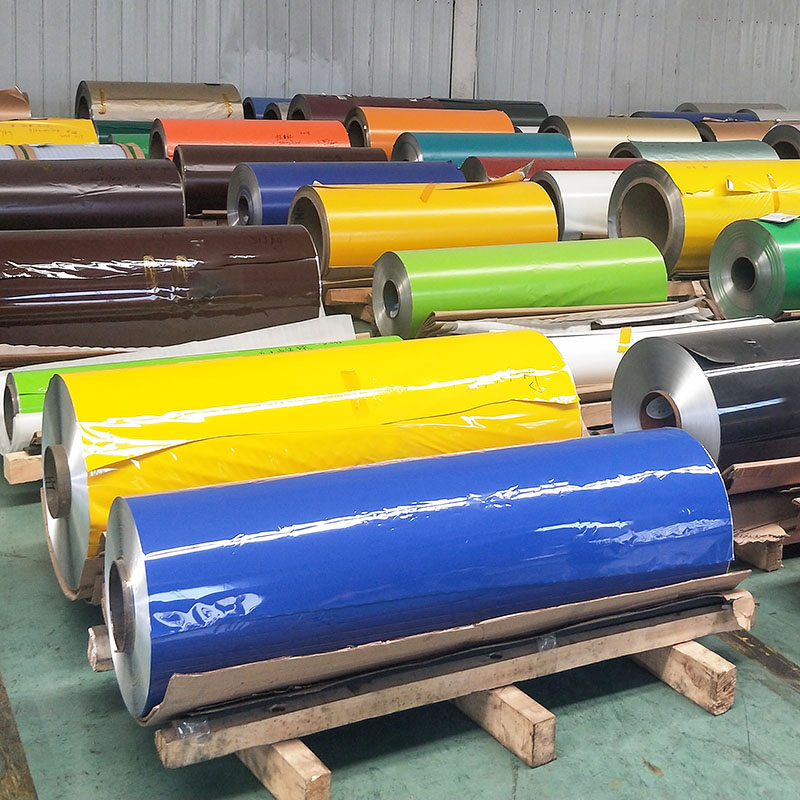
Table of Contents
In today’s construction and architectural industry, material performance plays a decisive role in both aesthetics and long-term durability. The PVDF Coating Aluminum Composite Panel is widely recognized as a premium cladding material, combining strength, weather resistance, and visual appeal. At Yuntai, we have seen increasing demand for the PVDF Coating Aluminum Composite Panel in global projects ranging from commercial buildings to transportation hubs, where both design flexibility and long-term protection are critical requirements.
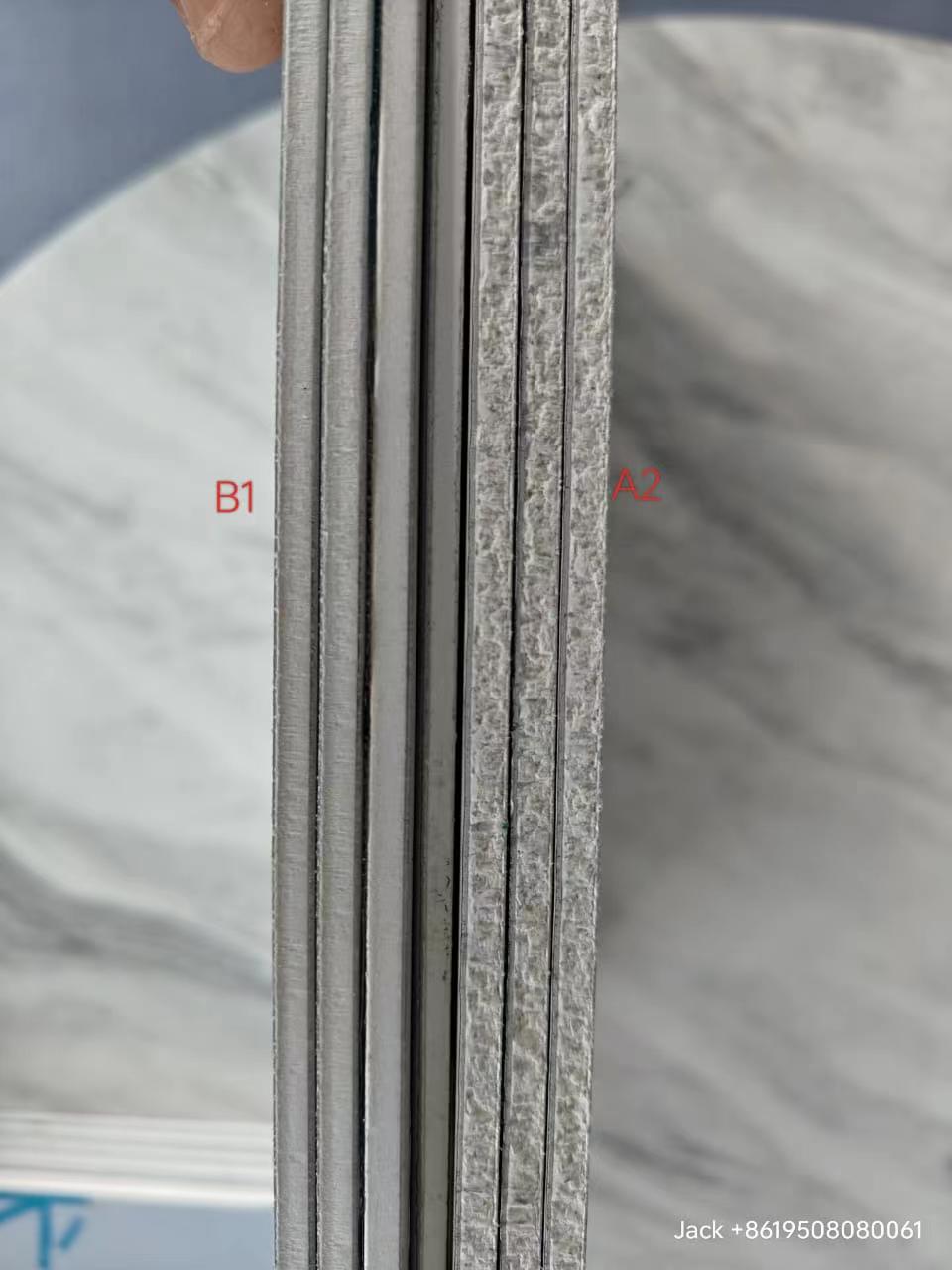
A PVDF Coating Aluminum Composite Panel is a sandwich-structured panel consisting of two aluminum sheets bonded to a non-aluminum core, coated with polyvinylidene fluoride (PVDF) paint. This coating is known for its exceptional resistance to UV radiation, corrosion, and harsh weather conditions.
The PVDF layer not only protects the surface but also ensures long-lasting color stability, making it ideal for exterior architectural applications where appearance must remain consistent over decades.
The PVDF Coating Aluminum Composite Panel is widely used in various industries due to its versatility and durability. Common applications include:
| Parameter | Specification |
|---|---|
| Panel Thickness | 2mm – 6mm |
| Aluminum Skin Thickness | 0.1mm – 0.5mm |
| Coating Type | PVDF (Polyvinylidene Fluoride) |
| Surface Finish | Glossy, Matte, Brushed, Metallic |
| Core Material | LDPE / Fire-Retardant Mineral Core |
| Standard Width | 1220mm – 1575mm |
| Color Options | Custom RAL colors available |
Proper installation is essential to maximize the performance of PVDF Coating Aluminum Composite Panel systems. Below are key installation steps:
One of the strongest advantages of the PVDF Coating Aluminum Composite Panel is its low maintenance requirement. Regular cleaning with mild detergent and water is usually sufficient to maintain its appearance. Unlike traditional materials, it does not require frequent repainting or surface treatment.
Its PVDF coating ensures long-term resistance to environmental damage, making it a cost-effective solution over the building’s lifecycle.
Q1: How long does a PVDF Coating Aluminum Composite Panel last?
Typically, it can last 15–25 years depending on environmental conditions and installation quality.
Q2: Is the PVDF coating resistant to fading?
Yes, PVDF coating offers excellent UV resistance, ensuring long-term color stability.
Q3: Can PVDF Coating Aluminum Composite Panel be used indoors?
Yes, it is suitable for both interior and exterior applications, especially in decorative wall systems.
Q4: Is it environmentally friendly?
Yes, modern ACP systems are recyclable and designed to reduce environmental impact.
Q5: What makes PVDF better than PE coating?
PVDF offers superior weather resistance, durability, and color retention compared to PE coatings.
The PVDF Coating Aluminum Composite Panel continues to redefine modern architectural standards by offering a balance of durability, aesthetics, and cost efficiency. Its advanced coating technology ensures long-term protection and visual appeal, making it a preferred choice for global construction projects.
Whether you are working on a commercial façade, transportation hub, or high-end architectural design, this material delivers reliable performance and design flexibility that meets modern engineering demands.
If you are looking for a reliable supplier or customized solutions for your project, feel free to contact us today. Our team at Yuntai is ready to provide technical support, product customization, and competitive pricing to help bring your project to life.