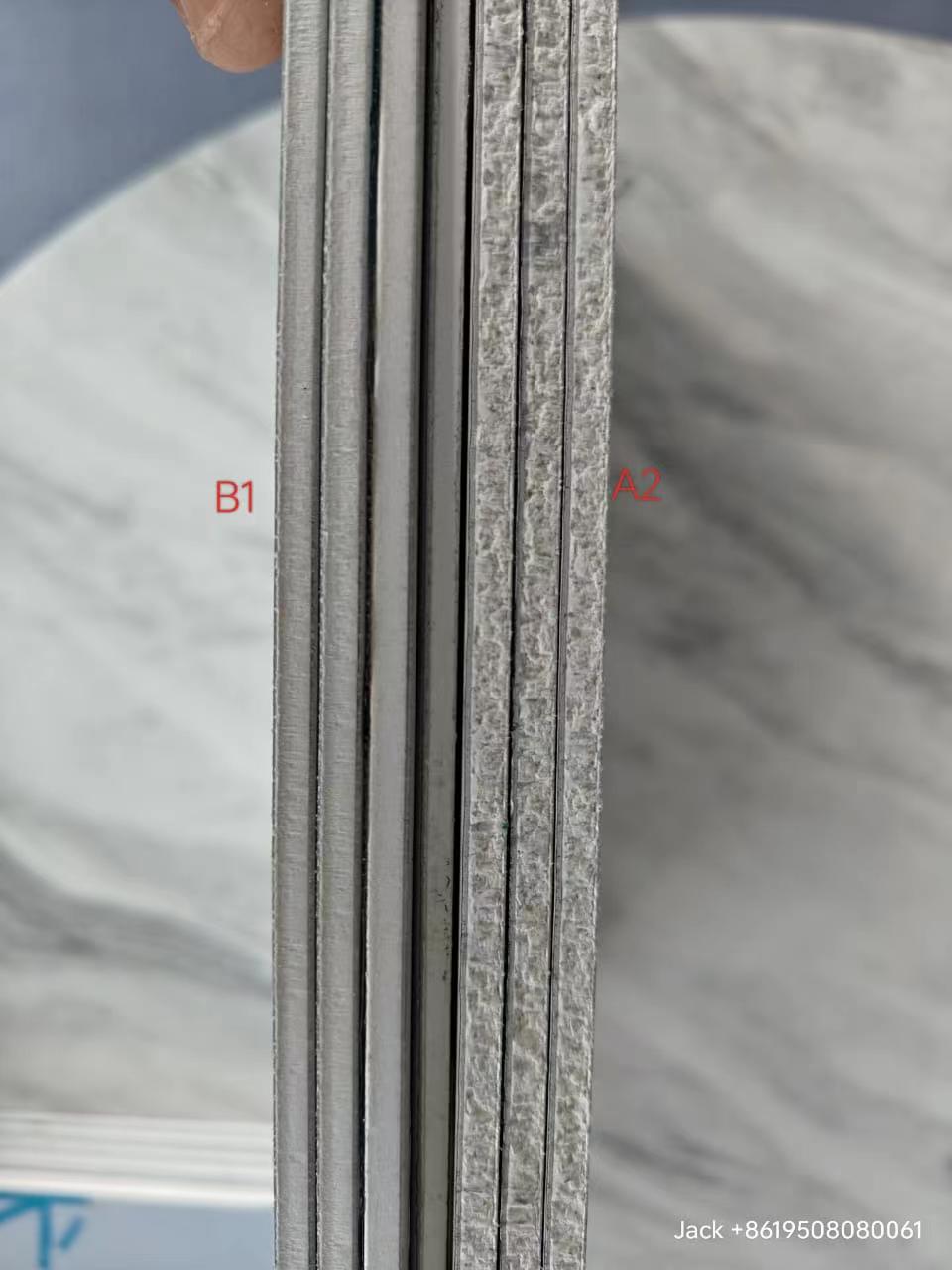

When architects, contractors, distributors, and project owners compare façade and signage materials, the same question often comes back to the table: what gives the best balance between visual impact, durability, manageable weight, and cost control? In many real projects, Aluminum Composite Panel continues to stand out because it solves several problems at once. It offers a clean finish, easier handling, flexible design possibilities, and dependable performance across a wide range of applications. Companies such as Jiangsu?Yuntai NEW MATERIALS CO.,LTD have helped buyers explore this category more deeply by supplying panel solutions that meet practical demands rather than just surface-level appearance needs.
This article explains why Aluminum Composite Panel remains popular in exterior cladding, interior decoration, signage, and renovation work. It addresses the most common buyer concerns, including weather resistance, fire performance, flatness, installation, maintenance, and material selection. It also compares common coating and application options, outlines what to check before purchasing, and answers frequently asked questions so readers can make confident decisions for real projects.
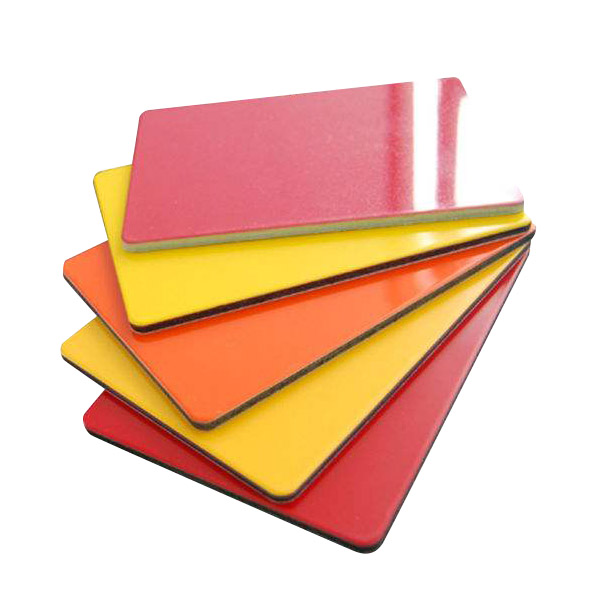
Buyers rarely choose a material because of one single advantage. They choose it because it reduces friction across the whole project cycle. That is exactly where Aluminum Composite Panel performs well. It is typically made from two aluminum skins bonded to a core material, creating a panel that combines rigidity with manageable weight. This structure makes transport easier, fabrication more efficient, and installation less demanding than many heavier alternatives.
In practical terms, this means crews can move faster, substructures may face less load pressure, and design teams gain more freedom to create modern finishes without making installation unnecessarily complicated. For many contractors, that combination is more valuable than any marketing phrase. They want a material that looks sharp, arrives in consistent quality, cuts and bends cleanly, and behaves predictably once it is on the wall. A well-made Aluminum Composite Panel supports exactly that outcome.
Most customers are not simply buying a board. They are trying to avoid specific risks. Some worry about uneven surfaces that ruin the final appearance. Some worry about excessive dead load. Others are frustrated by coatings that fade too soon, materials that are difficult to fabricate, or panels that create extra maintenance headaches after installation. A good Aluminum Composite Panel addresses many of these issues directly.
This is also why product matching matters. Exterior projects may prioritize weathering performance and coating durability. Interior projects may focus more on appearance, cleanability, and ease of fabrication. Signage projects often care about print quality, dimensional stability, and surface consistency. One of the most useful things a supplier can do is not just offer panels, but help the buyer choose the right configuration for the actual application.
Buyers sometimes focus too narrowly on price per sheet, but that approach can be expensive in the long run. Panel performance depends on more than a simple quotation. Surface coating, aluminum thickness, core type, application environment, and fabrication expectations all deserve attention. The table below gives a practical way to compare options.
| Feature | Why It Matters | What Buyers Should Ask |
|---|---|---|
| Surface Coating | Influences weather resistance, color retention, and long-term appearance | Is this panel intended for exterior or interior use, and what coating system is recommended? |
| Aluminum Skin Thickness | Affects rigidity, impact behavior, and fabrication feel | What aluminum thickness is suitable for my project type and panel size? |
| Core Type | Can influence weight, application suitability, and fire-related requirements | What core option fits local project specifications and intended installation conditions? |
| Panel Flatness | Critical for façade aesthetics, signage quality, and fabrication consistency | How is flatness controlled during production and quality inspection? |
| Color and Finish Range | Supports branding, architectural style, and decorative goals | Are custom colors, brushed, wood grain, stone look, or printing options available? |
| Fabrication Performance | Determines whether the panel can be cut, routed, folded, or bent efficiently | Is this model suitable for the fabrication methods my workshop uses? |
| Maintenance Requirements | Directly affects long-term ownership cost and appearance retention | What cleaning routine is recommended for the intended environment? |
This is the stage where an experienced manufacturer adds real value. Instead of giving generic advice, they help narrow the choice according to use case. For example, an exterior wall project and a retail display project may both use Aluminum Composite Panel, but they should not always use the exact same configuration.
One reason this material keeps showing up in specifications is its range. It is not limited to one market niche. It can serve high-visibility commercial façades, renovation work, branded signs, interior wall features, ceiling areas, equipment enclosures, and display systems. That versatility is especially useful for distributors and contractors who want one material family that can cover multiple customer needs.
| Application | Typical Buyer Goal | Why Aluminum Composite Panel Fits |
|---|---|---|
| Exterior Cladding | Create a modern, lightweight, and attractive building envelope | Offers clean appearance, workable fabrication, and suitable coating choices for exposed surfaces |
| Renovation Projects | Refresh older surfaces without overly burdening the structure | Its manageable weight and visual versatility make upgrades more practical |
| Interior Decoration | Build neat, contemporary walls and ceilings | Provides smooth surfaces, design variety, and easier maintenance |
| Signage | Achieve flat, printable, visually strong display boards | Works well for branding, advertising, and directional systems |
| Commercial Displays | Create durable presentation surfaces for retail or exhibitions | Combines appearance, machinability, and convenience in handling |
For buyers looking at supply consistency, it also helps when a manufacturer can offer multiple finishes under one product family. That might include plain colors, gloss finishes, brushed effects, wood grain, stone-look surfaces, or print-oriented options. This makes it easier to build a product line around a common material base while still meeting different aesthetic demands.
A successful purchase is not just about finding a good-looking panel. It is about making sure the panel matches the project, the fabrication method, the local requirements, and the customer expectation. Before committing to a supplier, buyers should review the following points carefully.
This is where supplier choice becomes strategic. Buyers working with Jiangsu?Yuntai NEW MATERIALS CO.,LTD or any serious manufacturer should expect more than just a price sheet. They should expect useful guidance on application matching, finish selection, and order details that affect the final result.
In real procurement, confidence often comes from clarity. When a supplier can explain where a certain Aluminum Composite Panel performs best, what finish is more suitable for the job, and how fabrication behavior may differ by model, buyers can move faster and with less risk.
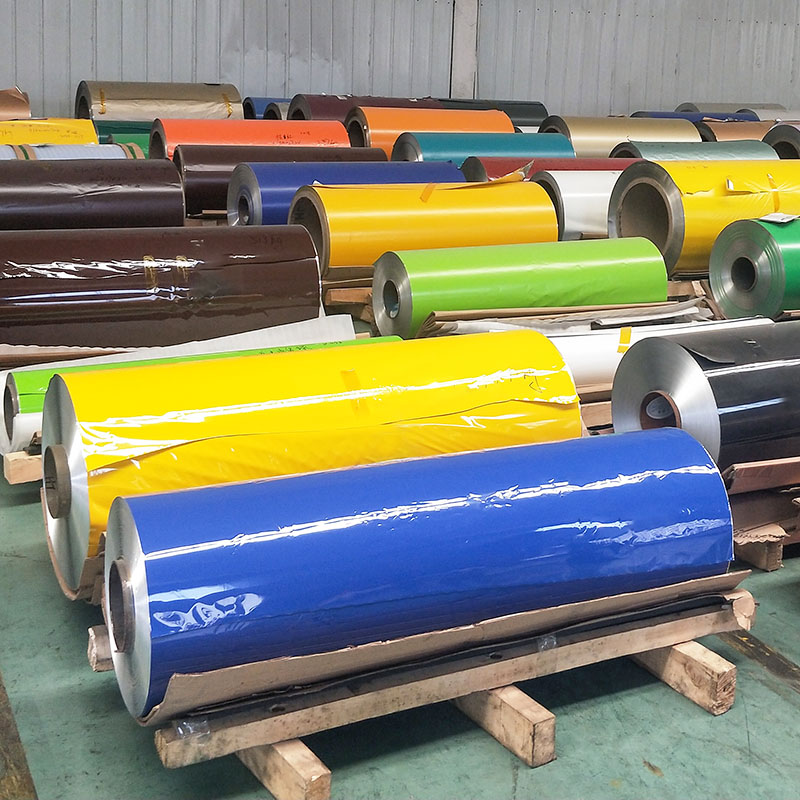
For many property owners, maintenance is where material choice either pays off or becomes a constant annoyance. A practical advantage of Aluminum Composite Panel is that its surface can usually be cleaned more easily than rougher or more porous decorative materials. Dust, ordinary surface dirt, and many common environmental marks are simpler to manage when the finish has been selected correctly for the environment.
That does not mean every panel performs the same way under all conditions. Outdoor installations near industrial zones, coastal areas, or high-traffic roads may require more careful cleaning schedules than interior decorative projects. Even so, many owners appreciate that the maintenance routine is generally straightforward: inspect periodically, clean with suitable methods, and address any installation-related issues before they become larger problems.
When buyers compare long-term value, this balance of appearance, manageable upkeep, and project flexibility is one of the strongest reasons Aluminum Composite Panel continues to hold its place in modern construction and decorative design.
Is Aluminum Composite Panel suitable for exterior walls?
Yes, many panel configurations are used for exterior applications, but the correct coating system and project-specific specification should always be confirmed before purchase.
What makes Aluminum Composite Panel popular for signage?
Its flat surface, manageable weight, and fabrication convenience make it a practical choice for signs, display boards, and branded visual panels.
Which matters more, the panel thickness or the coating?
Both matter, but they serve different purposes. Thickness influences structure and handling, while coating affects appearance retention and environmental suitability.
Can Aluminum Composite Panel be customized?
Many buyers request custom colors, finishes, dimensions, or application-focused options. It is wise to confirm customization scope before production begins.
Is Aluminum Composite Panel a good option for renovation work?
It often is, especially where owners want to refresh the appearance of older structures with a cleaner and lighter cladding solution.
How can I choose the right supplier?
Look for clear product communication, stable quality control, relevant application guidance, sample support, and a product range that matches your target market.
If you are comparing finishes, planning a façade project, sourcing panels for signage, or looking for a reliable long-term supply partner, now is the right time to move from guessing to clarity. Jiangsu?Yuntai NEW MATERIALS CO.,LTD can help you explore suitable Aluminum Composite Panel options based on your real application, appearance goals, and order requirements. Contact us today to discuss your project, request product details, and find a panel solution that works as well in practice as it does on paper.